
Discover typography as a magical sign—writing as a seal of memory and identity, from runes to digital fonts.
Typography as a Magical Sign: Writing as a Seal of Memory and Identity
Typography is often perceived as a technical discipline. It is seen as a set of rules for arranging letters so that they are legible and aesthetically pleasing. Yet, when we look deeper, we realize that writing is not merely a tool of communication. It is a magical sign, a seal that preserves memory, identity, and cultural continuity. Every letter carries the imprint of human experience. It embodies the desire to safeguard stories. It also represents the need to give shape to the invisible.
Writing as the memory of culture
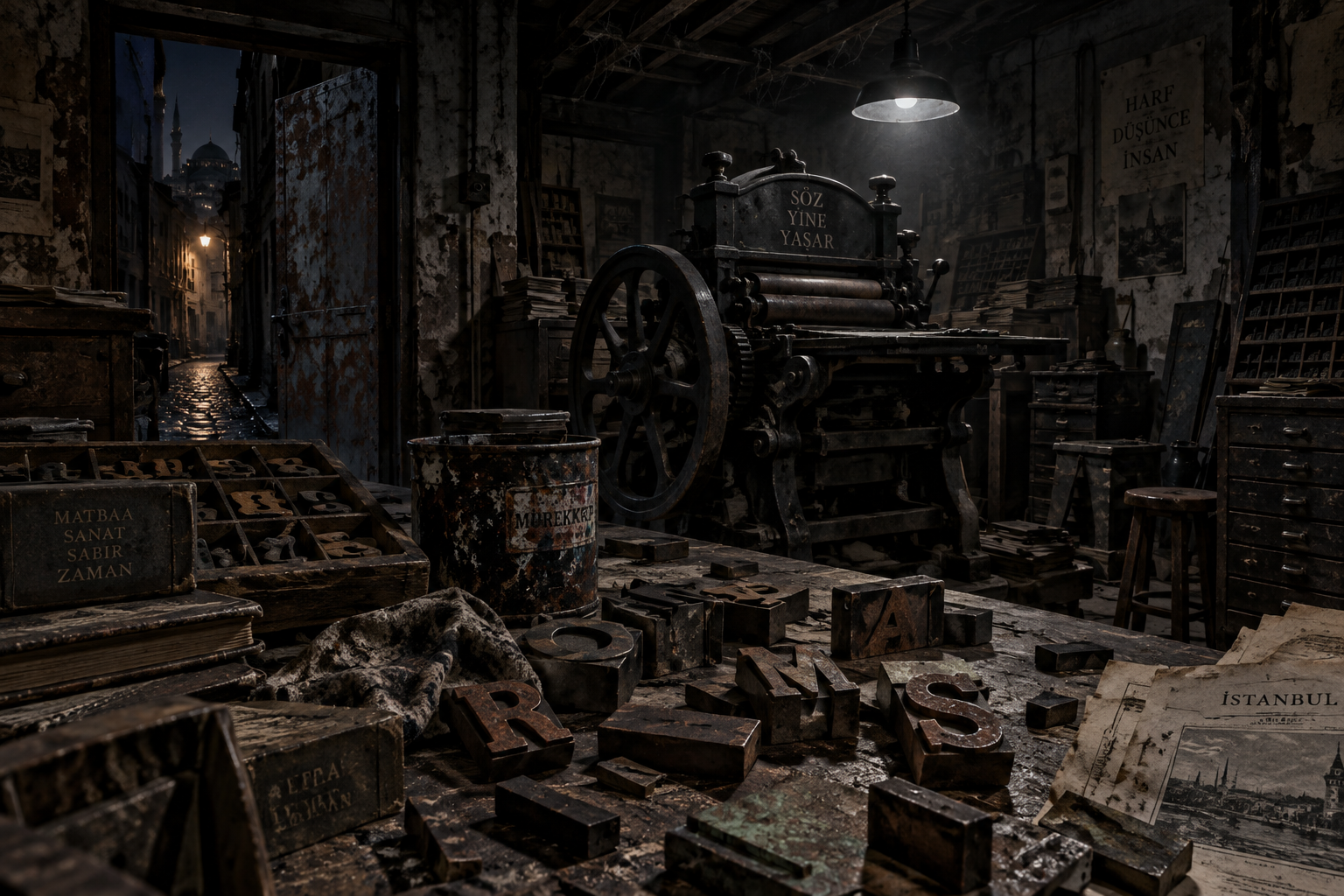
From the earliest times, writing was understood as a tool that transcended the boundaries of time. Runes carved into stone were meant to protect and remind; hieroglyphs on temple walls preserved the presence of deities. Each sign was more than a graphic form – it was a seal of memory.
In the Middle Ages, writing became the bearer of communal identity. Richly decorated initials in manuscripts were not merely ornaments but visual portals. Every brushstroke, every golden leaf carried symbolic layers—faith, tradition, collective memory. Writing thus preserved not only the text but also the spiritual atmosphere of the era.
Typography as a magical sign today
Today, typography has moved from temples and libraries into the digital realm. Yet its magical function has not disappeared—it has only transformed.
- Logos as talismans: Modern brands use typography like a spell. A single typographic sign is enough to instantly evoke emotions, stories, and collective memory. A logo is not just a graphic element but a ritual sign that unites a community.
- Artistic experiments: Designers now create typographic artifacts that function as seals. These include stamps, typographic mandalas, or experimental fonts. They carry personal and collective stories.
- Digital traces: Every typographic sign on a screen is an imprint of identity. In the digital space, writing becomes a trace that preserves the memory of both individuals and communities.
Writing as a bridge between the visible and the invisible
Typography can be understood as a ritual language—a visual artifact that connects memory, identity, and imagination. Each sign is more than a graphic form. It is a seal that preserves a story. It confirms existence and opens a space for transformation.
Seen in this way, typography is never neutral. It is a magical sign that links us to the past and opens the way to the future. Every font, every letter, is a gateway—to memory, to identity, to the realm where the visual becomes spiritual.
Examples of visual artefacts
- Medieval manuscripts: Ornamented initials act as visual seals.
- Seals and stamps: Typographic signs pressed into wax or paper confirm identity and presence.
- Modern logos: The typography of brands like Coca-Cola or Bauhaus has become global talismans that preserve collective memory.
- Digital fonts: Experimental typography on social media acts as a personal seal. Each user chooses a script that reflects their identity.
Conclusion
Typography is not merely a tool of communication. It is a magical sign that preserves memory and identity. Writing began with runes carved into stone. Today, it includes digital fonts on screens. Throughout history, it has been a seal that bridges the visible and the invisible.
This essay on typography as a magical sign reminds us that every sign is more than a graphic form. Every letter holds meaning beyond its appearance. It is an artifact that preserves a story, confirms existence, and opens a space for imagination.


Leave a Reply