
A childhood shaped by communism, family compromises, and silent wounds. A moving personal narrative.
Waiting for Justice: Living With the Legacy of a Totalitarian System That Never Truly Ended
When a person grows up in a totalitarian regime, they rarely realize that what they are experiencing is not normal. A child has no comparison. They do not know that the world can be different—freer, kinder, more open. Yet, the atmosphere of fear, silence, and tension leaves a deep imprint. This occurs even if the child does not understand the words. The tone of voices remains. The heaviness in the air lingers. The way adults move and speak changes when something dangerous is happening.
I was born in the mid‑1960s, at a time when something in Czechoslovakia was beginning to awaken. The air was full of hope. People spoke about reforms, about loosening restrictions, about the possibility of living more normally. And then came August 1968. I was not even three years old. I did not understand politics, but I absorbed the atmosphere. Children always do. They feel the fear before they can name it.
Then came the so‑called “normalization”—a period that pretended to be calm but was really the silence after an explosion. A silence that suffocates.
A life shaped by invisible boundaries
As I grew older, I began to face boundaries that were everywhere and nowhere at the same time. I did not study what I wanted. I did not freely choose my path. I not say what I thought. I not be myself. The framework permitted certain individuals to be “promising.”
My family struggled with this constantly. We were not dissidents, but we were not loyal supporters either. In a totalitarian setup, neutrality does not exist. You are either with us or against us. And if you are not loudly with us, the regime quietly places you among the undesirable.
My father eventually joined the Communist Party. Not because he believed in the ideology. Not because he wanted a career. He did it so that the family live a little better. So that I have a chance to study. So that we would not be pushed to the margins. It was an act of desperation, not conviction. And yet it marked him for life. In a totalitarian system, even compromises leave scars.
My grandmother eventually arranged my schooling through her connections. In a normal society, that sentence would sound absurd. But in that world, it was ordinary. Everything is “arranged” if you knew whom to ask. And if you were willing to pay—not with money, but with silence. Loyalty and small concessions slowly accumulate into a large loss of self.
Trauma does not care about dates
More than fifty years later, I still experience sudden waves of anxiety. They are not memories in the form of images. They are sensations—tension, fear, a feeling that something is about to happen. As if the body remembers the atmosphere of danger long after the mind has moved on.
And then one day I hear that the promotion of communism and other totalitarian ideologies has finally been outlawed. That it can be punished. That society is officially saying: “This was wrong. We reject it.”
And I find myself laughing. Not because it is funny. But because it is absurd. I waited nearly sixty years for this moment. And suddenly it is here. Late, but still.
The laughter is a defense mechanism. It is the body’s way of reacting to something too large, too painful, too delayed. It is the laughter of someone who knows that justice sometimes arrives late, but trauma has no deadlines.
What does justice mean when it arrives decades too late?
When society finally rejects a totalitarian ideology, it matters. It is symbolic. It is a gesture of truth. But for those who lived through it, it is not closure. It is not a cure. It is a reminder of how long it took to name things honestly.
Justice that arrives after half a century has a strange taste. A mixture of relief and bitterness. Relief that the truth has been spoken. Bitterness that it took so long, that many who needed to hear it are no longer alive.
And yet this justice still matters. Not because of punishment. Not because of laws. But because society is finally saying: “We see you. We see what you lived through. And we acknowledge that it was wrong.”
The legacy of totalitarianism in the body and in language
Totalitarianism does not leave scars only in history books. It leaves them in people. In their bodies, in their reactions, in their ways of thinking. In a generation that learned to stay silent. In a generation that learned not to stand out. In a generation that learned that freedom is a luxury, not a right.
This legacy is passed down even when we do not realize it. In the way we fear conflict. In the way we fear authority. In the way we hesitate to express our opinions. In the way we doubt that things can truly change.
When I hear today that the promotion of communism is punishable, I realize this is not just a legal act. I understand that it is a symbolic breaking of a chain. It is a moment when society says: “This is where the continuity of fear ends.”
Why trauma resurfaces now
It seems paradoxical, but trauma often resurfaces when things improve. When a person finally feels safer, the body allows itself to release what it has held for decades. It can happen that just as society takes a step in the right direction, an old wound opens inside.
This is not weakness. It is a process. It is the body’s effort to finish something it once had to interrupt to survive.
What we can do today
There is no universal answer. But it is important to talk about these things. Not to drown in the past, but to understand it. To understand how it shaped us. To understand that trauma is not a personal failure but the consequence of a system built on fear and manipulation.
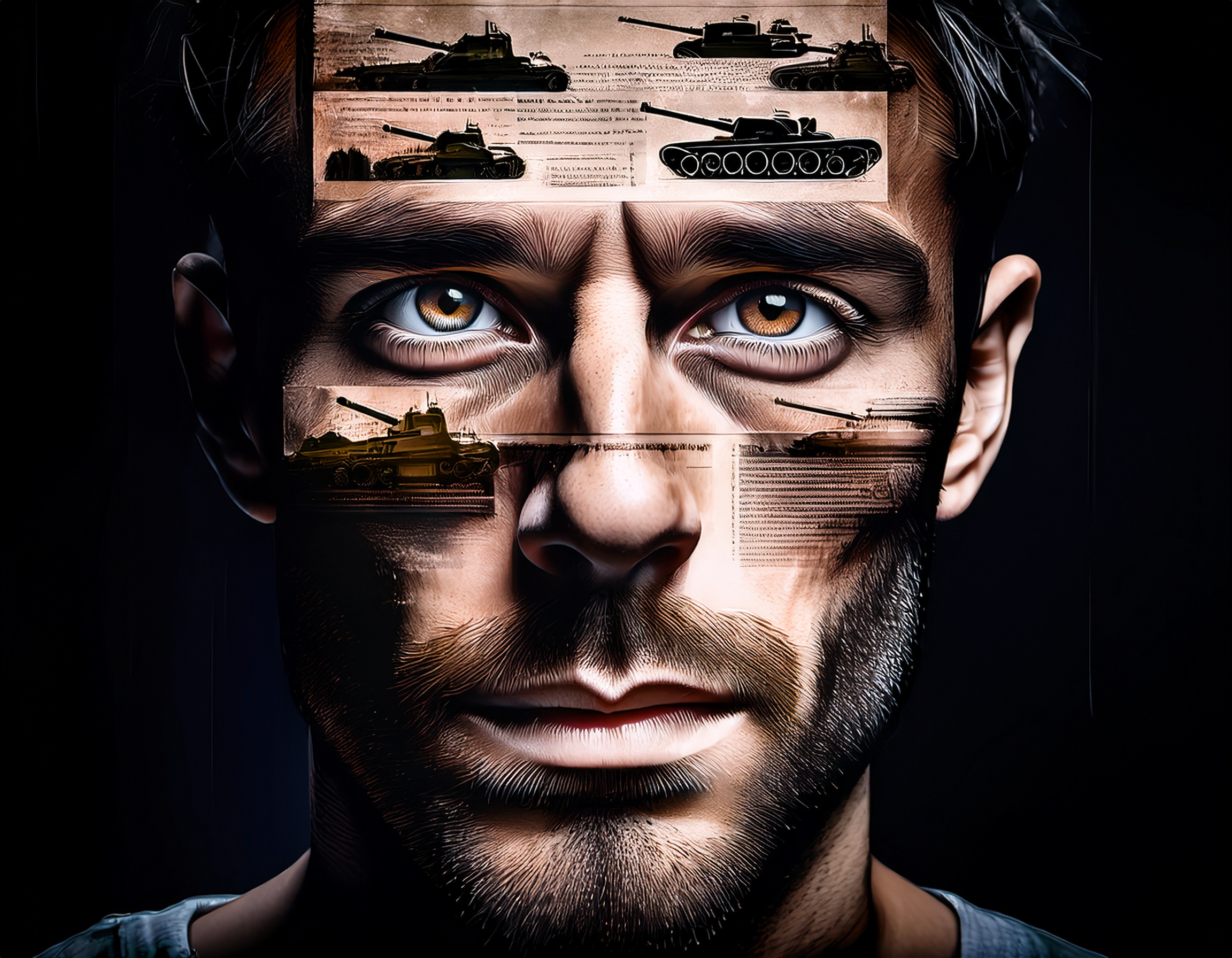
And also to prevent something similar from happening again. Totalitarianism does not start with tanks. It begins quietly. In language. In what is said and what must stay unspoken. In who is allowed to decide for others. In how society treats difference, criticism, and freedom.
What it means to wait sixty years
Waiting sixty years for society to clearly say that what happened was wrong is a long time. But it is not meaningless. It shows that even though history moves slowly, it does move.
And it is also an opportunity. An opportunity to breathe again. To look at one’s life with the understanding that what we lived through was not normal—but that we survived it. And that today we have the possibility to live differently.
Justice that arrives late is not perfect. But it is a beginning. And sometimes a beginning is the most important thing we can get.



Leave a Reply