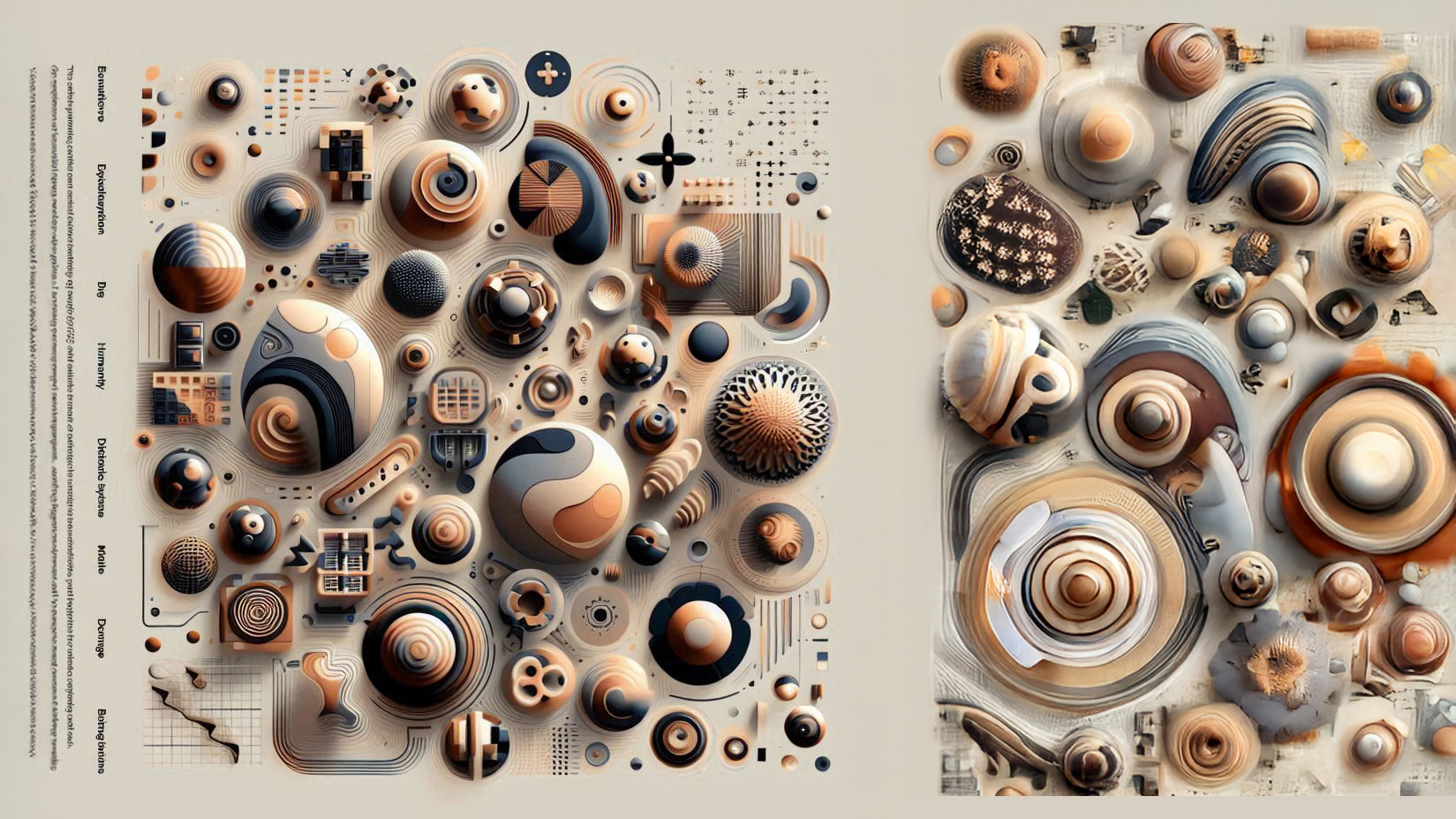
2026 marks a major shift in logo design. Discover five key trends transforming static marks into living, adaptive, emotionally resonant brand identities.
Forget Static Logos: Why 2026 Is Rewriting the Rules of Visual Identity
The world of branding has been dominated by a specific aesthetic for more than a decade. This includes minimalist geometry and sans-serif typography. A corporate sameness spread across industries like a quiet fog. It was the era of “safety first.” Brands sought neutrality, consistency, and visual hygiene. This approach promised clarity but often delivered monotony. Logos became clean, efficient, and interchangeable. They were designed to avoid mistakes rather than to spark emotion.
But something fundamental has shifted. The digital world has become oversaturated. Artificial intelligence has accelerated visual production to unprecedented speeds. Audiences have grown hungry for authenticity, personality, and emotional resonance. In this new landscape, the static logo — once the sacred cornerstone of brand identity — is no longer enough. The future belongs to identities that move, adapt, respond, and invite people into a relationship rather than a one‑way broadcast.
As we enter 2026, five major trends are reshaping how designers, strategists, and brands think about logos. These trends are not superficial stylistic waves; they show deeper cultural, technological, and psychological shifts. They show us how brands are learning to behave more like living beings and less like rigid institutions.


1. The Logo as a Living Organism
The idea that a logo should be a single, fixed mark is rapidly becoming outdated. Today’s most progressive brands treat their logos as dynamic systems — identities that can breathe, shift, and respond to context. This is not merely about animation or motion graphics. It is about designing a visual language that behaves.
A living logo can adapt to the environment, react to user interaction, or transform based on data. In extended reality (XR), it can change shape depending on the viewer’s position. In physical space, it can become an object you touch, hold, or use. Digital ecosystems can morph to express mood, tone, or narrative.
This shift reflects a broader truth: brands are no longer static entities. They exist across dozens of platforms, each with its own constraints and opportunities. A logo that behaves like a living organism becomes a gateway — a portal — into the brand’s world. It invites participation rather than passive observation.
This trend also mirrors how people relate to brands today. Audiences expect responsiveness, personality, and presence. A logo that can move, react, or evolve feels more human, more alive, and more capable of forming a relationship.
2. The Return of Playfulness and the Power of Surprise
After years of corporate minimalism, designers are rediscovering the value of play. Brands are embracing humor, warmth, and unexpected visual gestures. This is not a regression into childishness; it is a strategic response to a world overwhelmed by sameness.
Playfulness breaks through the noise. It creates emotional texture. It reminds people that brands are made by humans — and for humans.
AI can generate thousands of “perfectly correct” logos in seconds. In this era, what stands out is not perfection but personality. Imperfection becomes charm. Quirkiness becomes differentiation. A logo that smiles, bends, or wiggles can create a moment of connection. Such a connection can’t be replicated by any sterile geometric form.
This trend also reflects a cultural wish for joy. After years of global uncertainty, people gravitate toward brands that feel warm, optimistic, and alive. Playfulness becomes a form of emotional hospitality — a way for brands to say, “We see you. We want to make your day a little lighter.”
3. Evolution Over Revolution: The Rise of Subtle Brand Renewal
Not every brand needs a dramatic overhaul. In fact, for many established companies, a radical rebrand can be risky, alienating, or unnecessary. That is why 2026 is experiencing a rise. This is called “quiet evolution.” It is a thoughtful, incremental approach to updating visual identity.
Instead of discarding the past, brands refine it. They adjust proportions, modernize typography, expand color palettes, or create more flexible variations of existing marks. These changes are often so subtle that casual observers not consciously notice them. Yet, they significantly improve usability, clarity, and digital performance.
This approach respects the emotional equity that audiences have built with a brand over time. It acknowledges that logos are not just design assets; they are cultural artifacts. They carry memories, trust, and meaning.
Evolution preserves continuity while allowing growth. It is a strategy rooted in humility and intelligence. It recognizes that brands, like people, can mature without reinventing themselves entirely.


4. Logos as Symbols of Belonging and Emotional Memory
The most profound shift of all is the recognition that logos are not merely visual identifiers. They are emotional containers. They hold stories, histories, and shared experiences. People live in a world marked by loneliness, fragmentation, and polarization. They seek symbols to help them feel connected. They want to feel a connection to each other, to their past, and to something larger than themselves.
A logo can become a cultural anchor. It can evoke childhood memories, represent values, or signal membership in a community. When brands understand this, they design with empathy rather than ego.
Removing or radically altering a beloved logo can feel like erasing part of people’s identity. Conversely, thoughtfully evolving a logo to honor both past and future can create a powerful sense of continuity and belonging.
This trend reveals a deeper truth: branding is no longer just about recognition. It is about meaning. A logo that resonates emotionally becomes more than a mark — it becomes a shared symbol of human experience.
5. One Logo Is Not Enough: The Era of Responsive Identity Systems
Brands live concurrently on billboards, smartwatches, mobile apps, packaging, XR environments, and social feeds. Hence, a single universal logo can’t do all the work. That is why 2026 marks the rise of responsive identity systems. These are families of logos that adapt to scale, medium, and context.
A brand have:
- a detailed version for large formats,
- a simplified icon for mobile interfaces,
- a micro‑mark for wearables,
- an expanded version for immersive environments,
- and contextual variations for specific cultural or functional needs.
This approach ensures clarity, consistency, and usability across all touchpoints. It prevents distortion, improvisation, or misuse. It also reflects how people actually meet brands today — in fragments, moments, and micro‑interactions.
Responsive identity systems acknowledge that flexibility is not a compromise but a strength. They allow brands to stay recognizable while adapting gracefully to the complexity of modern communication.
Conclusion: What Does Your Logo Say About You?
The year 2026 signals the end of the static logo era. The future belongs to identities that behave, respond, and connect. Logos are becoming living systems — expressive, adaptive, and emotionally intelligent.
This transformation is not a trend for trend’s sake. It is a strategic necessity in a world where people crave authenticity, meaning, and relationship. Brands that embrace this shift will feel more human, more relevant, and more capable of forming lasting bonds.
So the essential question becomes:
Is your logo merely a signature, or is it the beginning of a conversation?




Leave a Reply