A ritual journey through Istanbul’s stations, stones, and waters — tracing the rebirth of Peter into his alter ego, the Polyphonic Archivist. From Sirkeci to Galata, Laleli to the Bosphorus, each step becomes a seal, a passage, an echo.
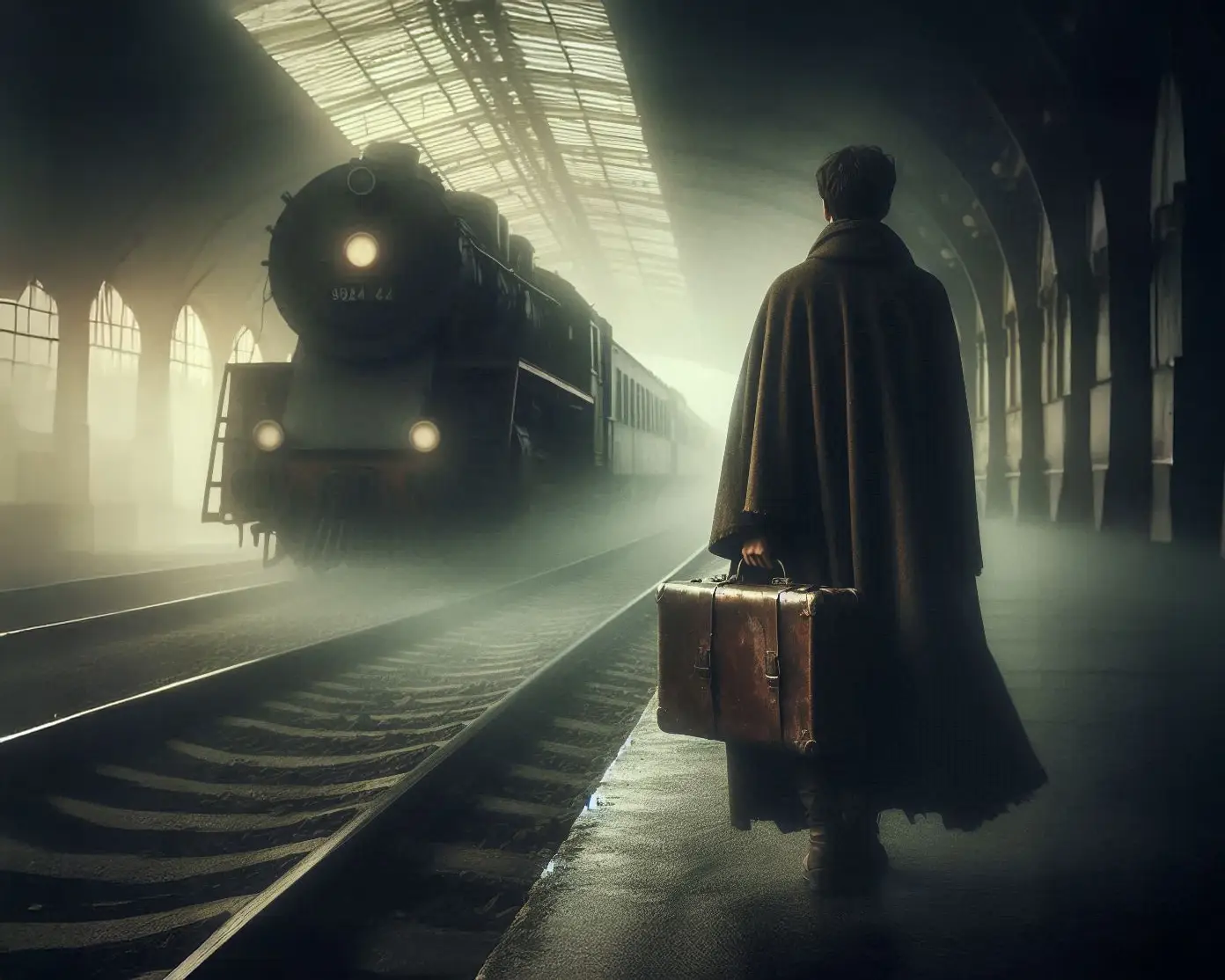
“The vibration of the rails still echoed in my feet. The stone walls of the station were filled with the resonance of the past. I gripped my suitcase tightly; inside were not only clothes but also my past, my fears, and my hopes. Istanbul did not tell me what it would offer; it only looked at me with its eyes. And in that gaze, I lost myself.”
The train had not yet departed. The face reflected in the window carried the weight of the past. Its eyes showed not emptiness, but readiness. The Polyphonic Archivist had not yet been born. Peter was living the last night of his former self.
The rails trembled like a rhythm beneath his feet. Each vibration awakened a memory, dissolving an identity. The suitcase was silent but full: voices of childhood, scents of exile, forgotten letters. On the first page of a notebook, he wrote:
“I am not yet who. But who I will become sleeps beneath the rails.”
When the train moved, time moved as well. Each kilometer was the unraveling of a self. Each station, the echo of a farewell. And as Sirkeci approached, an inner voice rose:
“This city does not know me. But in this city, I will be rewritten.”
The prologue is the herald of a birth. In this story, birth does not come with a cry, but with a seal. And the seal is pressed not only onto stones, but onto time itself.
Born Between the Rails
The heavy humidity of August drew a misty veil across the train windows. Peter pressed his suitcase between his knees, matching the rhythm of the rails to the beating of his heart. The journey was long, silent, and inward. Each station tore away another fragment of his old self. The final stop: Sirkeci.
The stone walls of the station echoed with the past. As he stepped down, the ground beneath his feet seemed to transform into a ritual space. He imagined a seal—a bridge between two selves. His old identity was left in the last carriage of the train. A new alter ego was born with his first step onto Istanbul’s stones.
Its name was not yet known, for this name would be found in the city’s streets, its sounds, its scents. Each step a letter, each breath a symbol. He opened his suitcase. Inside was not clothing, but a poem:
“I am now another story. The rails carried me, the stones gave me birth.”
That night, walking under Galata’s shadow, the first map of the new self began to be drawn. He stopped beneath a streetlamp, closed his eyes. From within, a voice rose—the name of the new alter ego: The Polyphonic Archivist.
Unrepairable, yet reborn. A one-horned being, transforming the pain of the past into ritual seals.
Searching for a Name in Nameless Streets
Leaving Sirkeci, the city whispered in a language he did not yet know. Each street, each stone, each shadow was a call. The Polyphonic Archivist carried his name as if newly born, but did not yet know its meaning. The city would be both stage and trial.
The first stop: Sultanahmet Square. Walking between Hagia Sophia and the Blue Mosque, traces of the past mingled with dreams of the future. A wall inscription caught his eye:
“Do not forget who you are, but remember who you will be.”
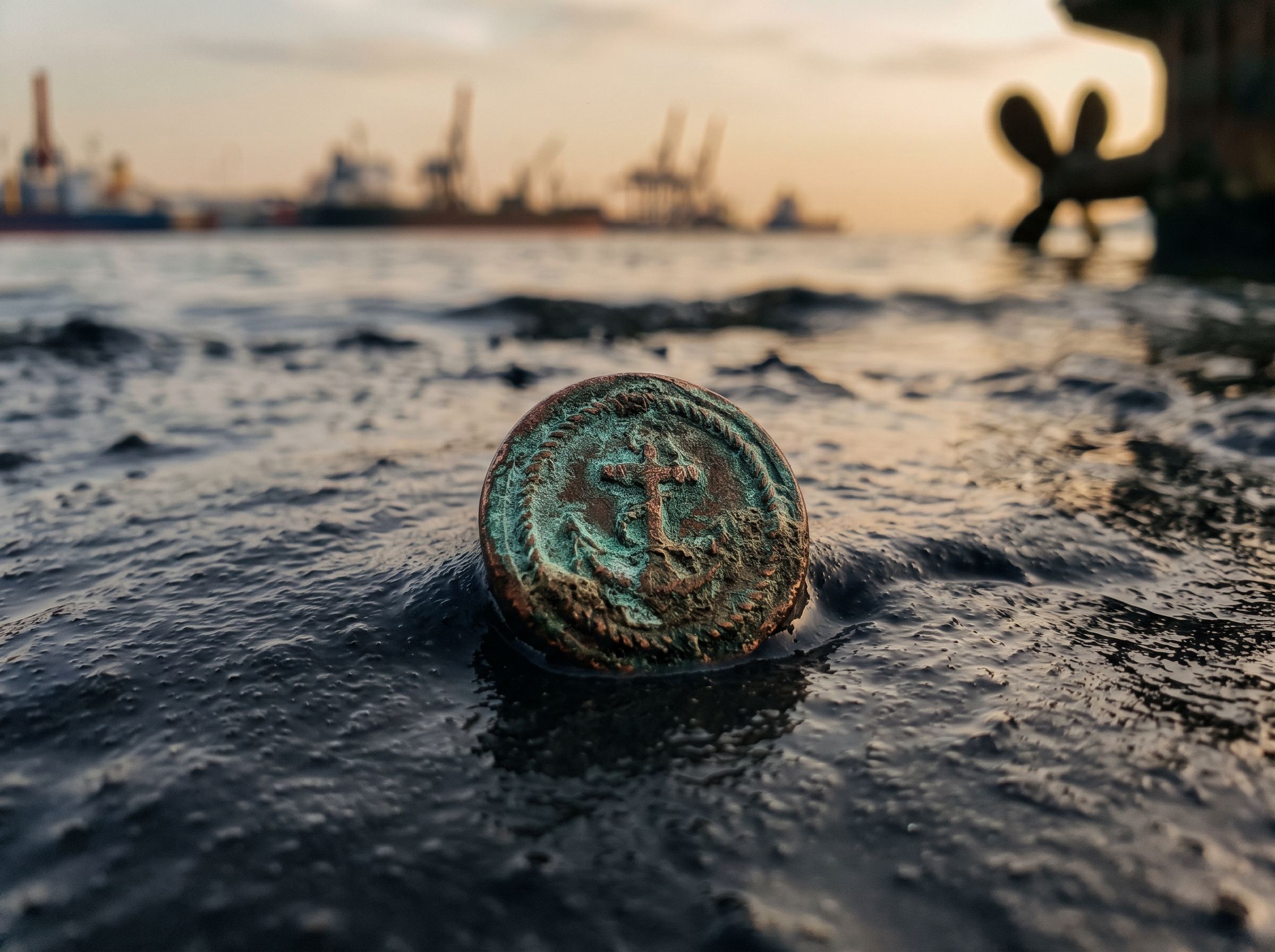
This sentence became the first seal of the new self. It turned into a typographic symbol, a ritual stamp in the digital archive. With each step, a map was being drawn—the map of feelings, sounds, scents. Istanbul was no longer a city, but a ritual ground.
He sat in a coffeehouse. He placed a notebook on the table. On the page, he wrote:
I am the child of the rails. Witness of stones, voice of shadows. I am searching for my name, but I already know who I am.
That night, under the shadow of Galata Tower, a performance was born. A silent figure walked, stamping his name onto the streets. Participants wrote their own pasts, sealed them, forming a ritual circle. The Polyphonic Archivist was no longer alone—the city was transforming with him.
A Self Forked Between Beyazıt and Laleli
The alter ego born in Sirkeci had been sealed in silence. But now the city called him—in a louder, more complex tongue. Arriving at Beyazıt Square, the streets were not a ritual but a negotiation. Each shop window, each sign, each gaze offered a new identity.
The Polyphonic Archivist walked toward Laleli, feeling the boundaries of his body anew. Here, identity was not only an inner search but also an external bargaining. Languages mingled, perfume scents accompanied the call to prayer, and fabrics covered traces of the past.
He stopped in a hotel lobby. From his pocket he drew a seal. This time he left not a silent but a visible mark. In a notebook he wrote:
“I multiply in these streets. Each shop window is a face, Each sign a step.”
That night, a ritual performance unfolded in Laleli. Participants wrote their identities on pieces of fabric. Each piece was stamped with a seal. Then, a “Map of Multiplication” emerged—a visual narrative of bodies, languages, and selves intertwining.
Written and Erased on the Bosphorus
One day, wandering old streets, the sunset fell upon the Bosphorus like a golden seal. The Polyphonic Archivist left Eyüp’s silence and walked toward the water. Each step was a passage—from stone to water, from solid to fluid, from fixed to transformed.
At the shore, he took out a piece of paper. On it was a single sentence:
“Some stories are written only with water because forgetting is a ritual too.”
He released the paper into the water. The letters began to dissolve. Ink merged with the current of the Bosphorus. This was not erasure, but diffusion. The new self was no longer merely a name, but a flow. A poem drifting in Istanbul’s waters, a seal, an alter ego.
That night, a ritual performance took place by the shore. Participants wrote the sentences they wished to forget. Each was released into the water. Then, a “Flow Map” emerged—traces of sentences written and erased by water.
Epilogue: “Leaving His Name to Stones, His Voice to Waters
Istanbul was no longer a city, but a body. Each street a vein, each shore a breath. The Polyphonic Archivist was an echo walking within this body. Born in Sirkeci, sealed in Laleli, silenced in Eyüp, dissolved in the Bosphorus. Yet never lost.
In this narrative, to be lost is not annihilation but transformation.
On the final night, he returned to Eyüp’s stones. In his hand, a seal; in his pocket, a map; in his heart, a poem written with water. He sat quietly upon a stone. Closed his eyes. From within came this sentence:
“I am no longer a name. I am a ritual. A passage. An echo.”
At that moment, a light appeared in the digital archive. All chapters, seals, maps, and voices entered a cycle. The archive was complete—but not closed, for this story would be rewritten by the steps of participants. Each newcomer would leave a seal, write a sentence, and carry a silence.
And The Polyphonic Archivist was now not only Peter’s, but a living archetype of this ritual universe: unrepairable, yet transformable.



Leave a Reply