
A poetic philosophical essay exploring the inner landscape of human experience, the meaning of returning to oneself, the body’s memory, and the value of material objects in a rapidly changing world. A reflective blend of psychology, prose, and existential insight.
Table of contents:
The Landscape That Grows Within Us: On Returning Without Retreating
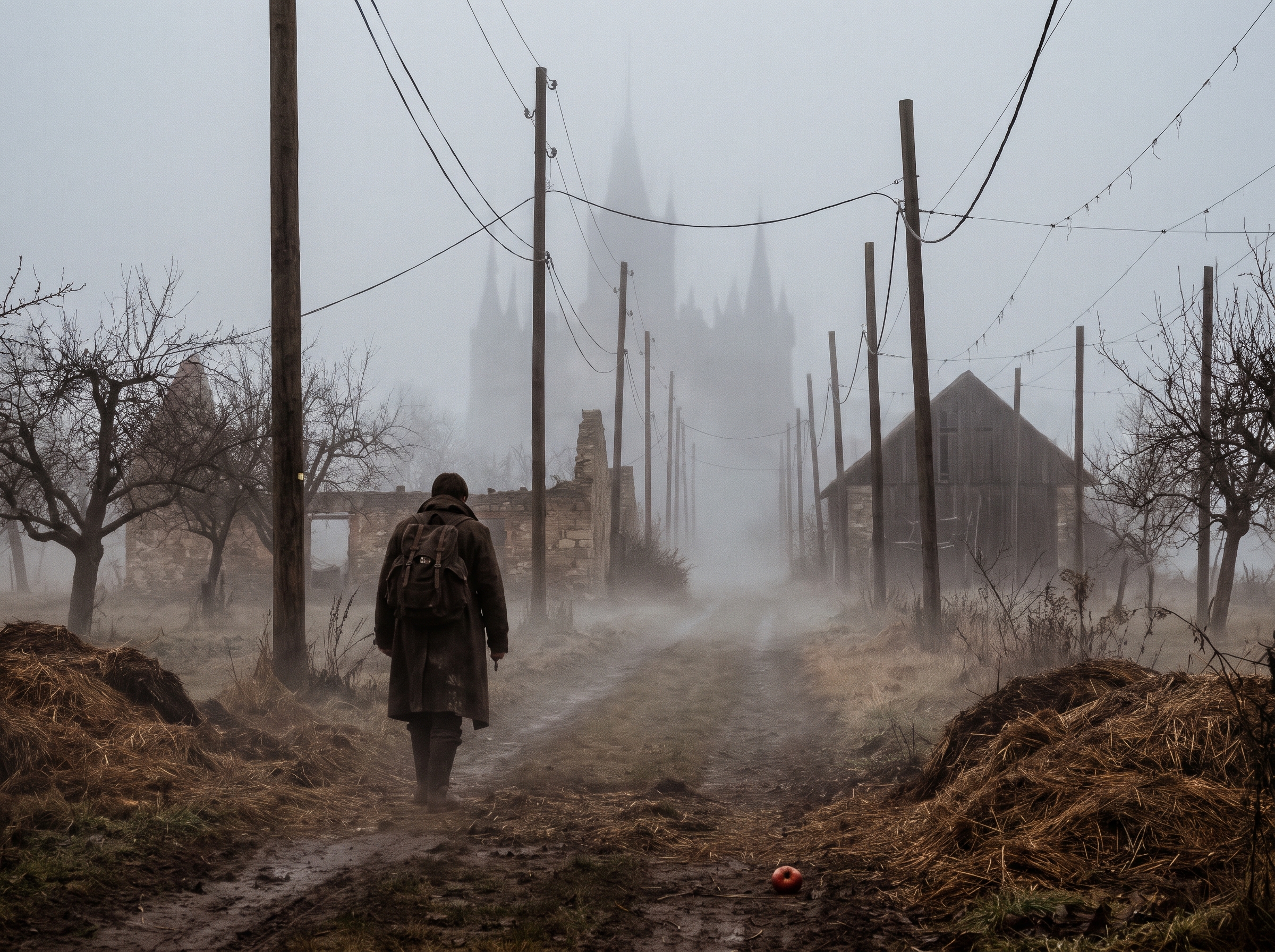
There are moments when the world feels like a current moving too fast for the human hand to grasp. Everything accelerates, fragments, and reshapes itself before we can name what is happening. Images flicker, information rushes past, and emotions rise and dissolve as if someone were constantly fast-forwarding reality. And yet, beneath the surface of this restless movement, there is a region within us that refuses to obey the rhythm of speed—a region that grows according to its own laws: slower, deeper, and more organically.
This inner region resembles a landscape—not one that can be photographed or captured in a single sentence, but one that forms from small experiences, subtle gestures, and fleeting impressions that others might dismiss as insignificant. And yet, it is precisely these fragments that build something lasting in us—something that does not vanish with the next notification.
In an age obsessed with immediacy, I find myself drawn more and more to what matures slowly, what cannot be rushed, what requires presence rather than mere attention. Perhaps that is why the inner landscape of a person has become so essential today, because it is one of the few places untouched by the logic of haste.
Returns That Do Not Lead Backward
We often hear that returning means stagnation, that a person who goes back cannot move forward. But I have come to believe that returning is one of the most courageous forms of movement. It is not a return to the past—it is a return to oneself.
When I open a book I once loved, I rediscover not only the text but also the version of myself who first held it. When I touch an object that accompanied me through another chapter of life, I feel old layers within me shift, as if awakening from a long sleep. A return is not a step backward. It is a step inward.
Perhaps that is why material things still hold such power over us. Not because they are practical, but because they are like small vessels of memory. Each object carries an echo of a moment, a feeling, a fragment of who we were. And that echo can stir something we thought we had lost.
The Body Remembers Differently Than the Mind
We live in a world that glorifies thinking—analysis, productivity, rapid decision-making. And yet the body has its own quiet intelligence.
The body remembers the texture of paper we turned as children. It remembers the scent of oil paint when we first stood before a painting that moved us. It remembers the weight of an object held during a meaningful moment.
This is a kind of memory that cannot be stored in any file—a memory that needs no words.
This is why original works of art affect us so deeply. It is not their market value that matters. It is the human energy embedded in their structure—the trace of someone’s effort, wonder, struggle, concentration.
A reproduction may be perfect, but it will never have the temperature of the original.
Collections as Maps of Inner Worlds
Collecting is often misunderstood as accumulation. But a true collection is not about quantity; it is about choice.
A collection is a way of arranging the world according to one’s own sensitivity—a map of what moves us, shapes us, and stays with us.
Some people collect books because they find continuity in words. Others collect paintings because they see their own transformations reflected in color. Still others keep small, seemingly insignificant objects that hold meaning only for them tiny coordinates in the labyrinth of their lives.
A collection is not about owning; it is about understanding oneself.
It is a way of capturing what is hardest to articulate.
Light and the Shifting Meaning of Things
There are moments when light falls on an object in a way we have never noticed before, and suddenly something familiar reveals a new face.
Light can uncover a meaning we’ve overlooked. It can give a space a new rhythm. It can turn an ordinary corner of a room into a place where something inside us stirs.
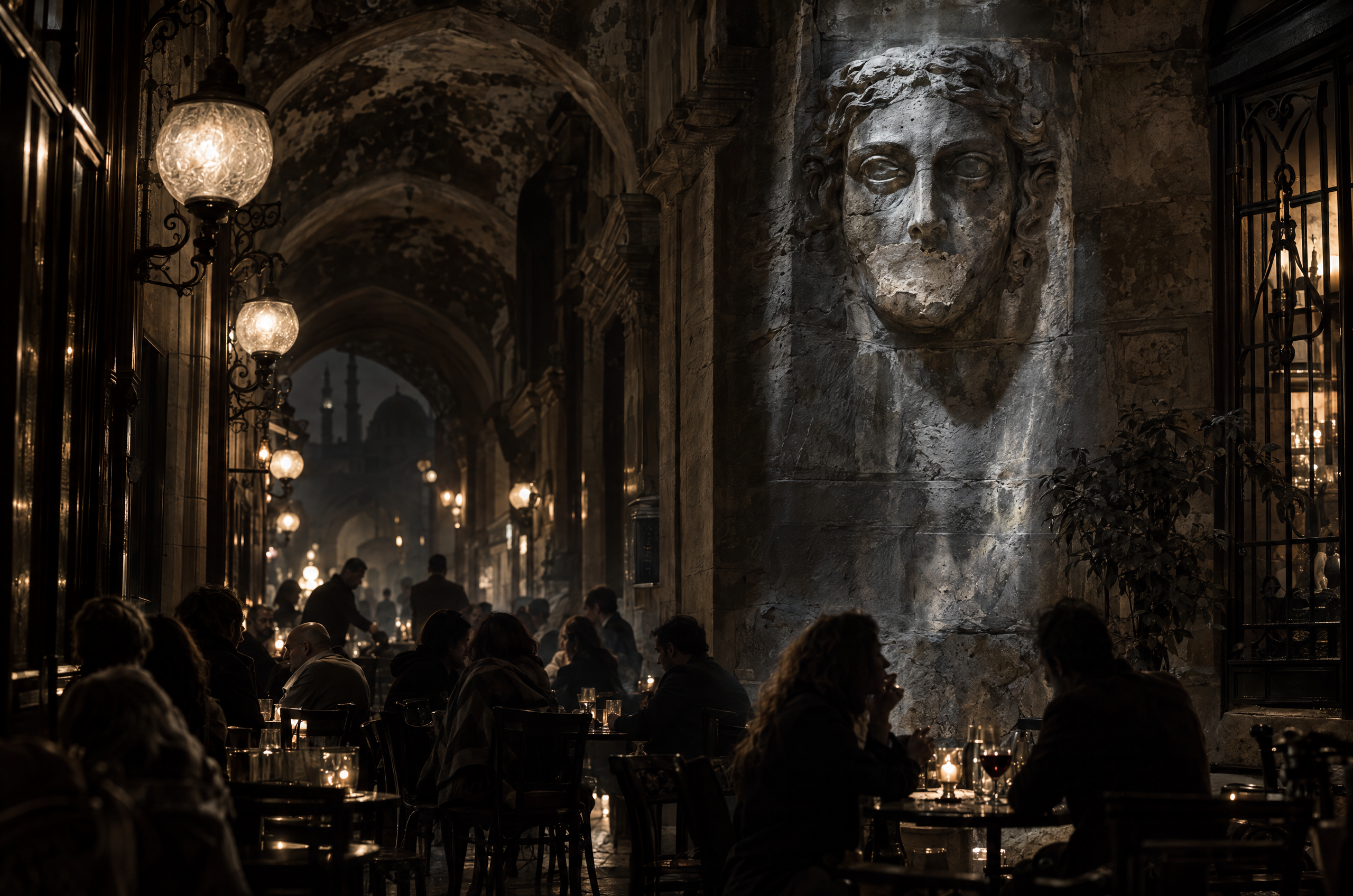
In architecture, light is often the most important element of composition. It does not merely illuminate—it guides. It creates tension, emphasis, and transitions. It is a language that requires no translation.
Perhaps this is why we are drawn to places where light interacts with space in almost metaphysical ways, because it reminds us that reality is not one-dimensional, and that what we see depends on where we stand.
The Value of What Matures Slowly
In a world of instant results, it becomes harder to appreciate what requires time. And yet, it is slowness that gives things depth.
A thought that matures has a different weight than one that appears suddenly. A feeling that develops gradually is more enduring than an impulse. A person who allows themselves to grow slowly becomes more fully themselves.
Perhaps that is why objects marked by time move us so deeply. Not because they are old, but because they are witnesses. And a witness sees differently than an observer.
Conclusion: On Seeking Stability in a World of Constant Change
The world will continue to change. Technologies, images, relationships, expectations, everything remains in motion. But a human being is not made solely to drift.
We need points of grounding, something that allows us to feel that we have shape, that we are more than a reaction to stimuli.
Physical objects, collections, works of art, small keepsakes—these are bridges we build between ourselves and the world, bridges that lead not to the past, but to our own center.
Perhaps that is why we still want to touch, to hold, to feel weight, texture, presence.
Because touch is one of the oldest ways in which a person says to themselves, “I am here.”
And perhaps this is the true secret of material things: not their function, not their value, but their ability to help us rediscover our own rhythm in a world that changes faster than we can name.
Similar posts:


Leave a Reply